Every canvas app architect hits the same wall: users demand offline access and fast load times, but the technical cost of delivering both often gets underestimated. A field team needs
The accounts payable team receives vendor invoices across email, portals, and EDI feeds. Someone needs to log into three separate legacy systems, extract data, cross-check line items, and route approvals.
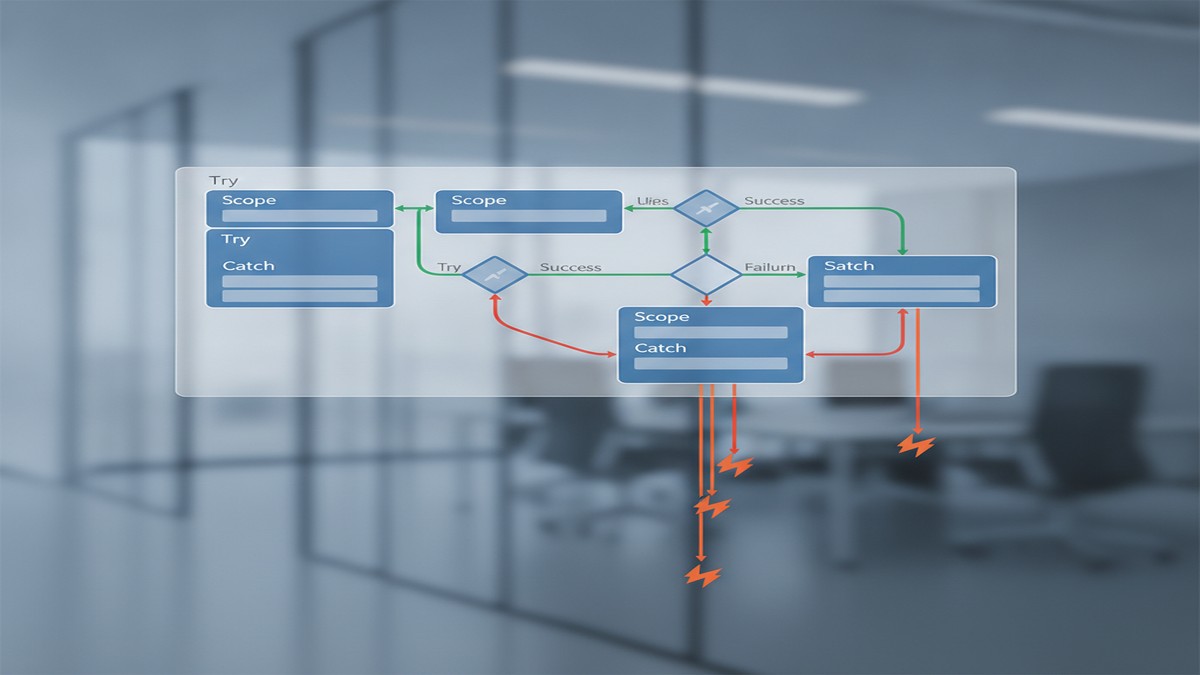
Your notification workflow fails silently. A customer inquiry approval message never reaches the approver. A procurement alert gets dropped during a network hiccup. Three hours pass before anyone realizes the
When your automation platform processes millions of records across hundreds of flows, architectural decisions that worked for single-tenant pilots stop scaling. A well-intentioned cloud flow that runs fine for 500
Most organizations that deploy Power Automate do so without any governance structure, then scramble to build one after their citizen developers have created hundreds of inconsistent, poorly monitored automations. The
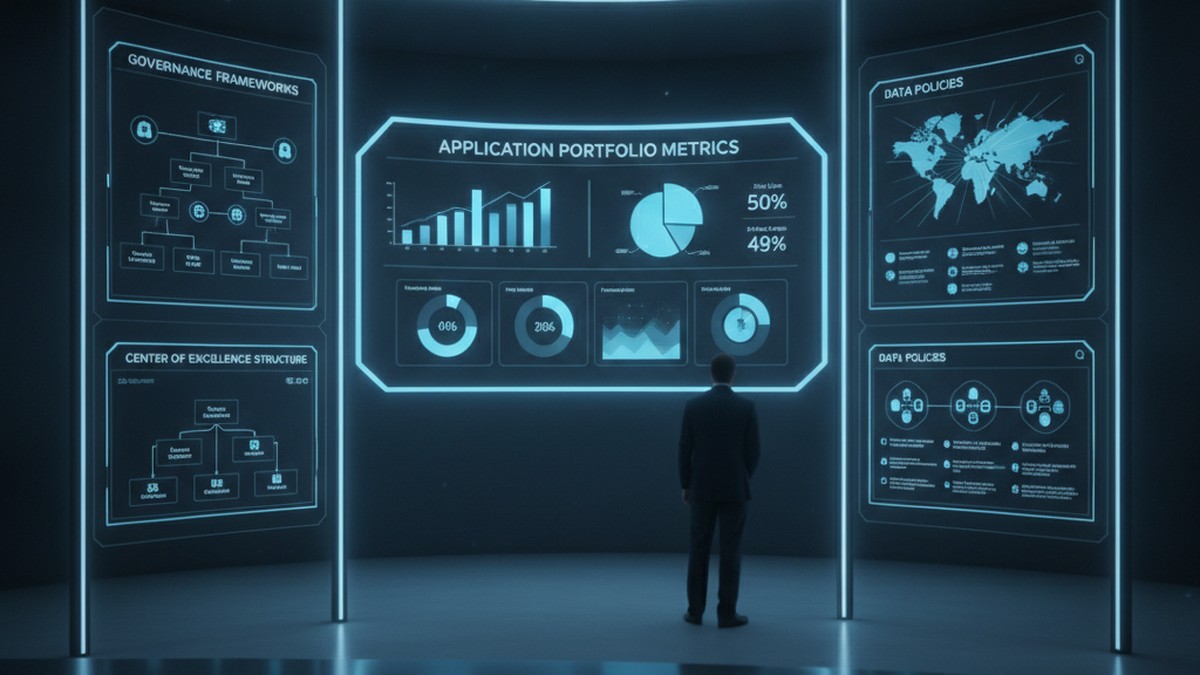
Problem Statement (Opening Hook) Six months after launching your Power Apps initiative, you have 47 applications built across the organization. You’re congratulating yourself on driving digital velocity when IT discovers
Power Pages’ low-code interface makes building portals faster than traditional custom development. But every organization eventually hits the moment where the out-of-the-box form controls, basic table views, and standard workflows
You launch a critical approval workflow into production, and for two months it runs without obvious issue. Then Finance calls: a vendor invoice sits stuck in limbo, and the escalation
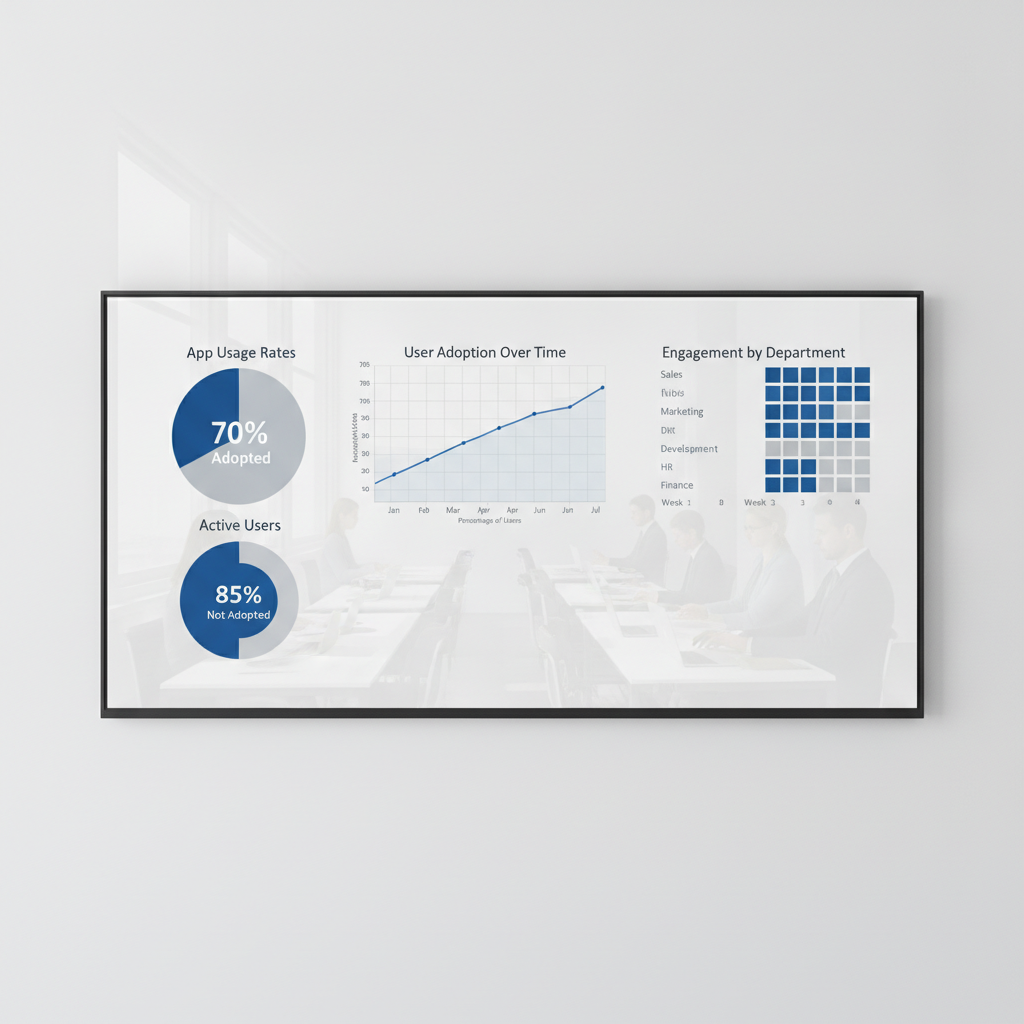
Your operations team just demoed a custom Power App to solve a recurring data-entry bottleneck. The app works technically. It’s deployed. Three months later, your finance team is still using