Skip to content

Category: Dynamics 365 Business Central

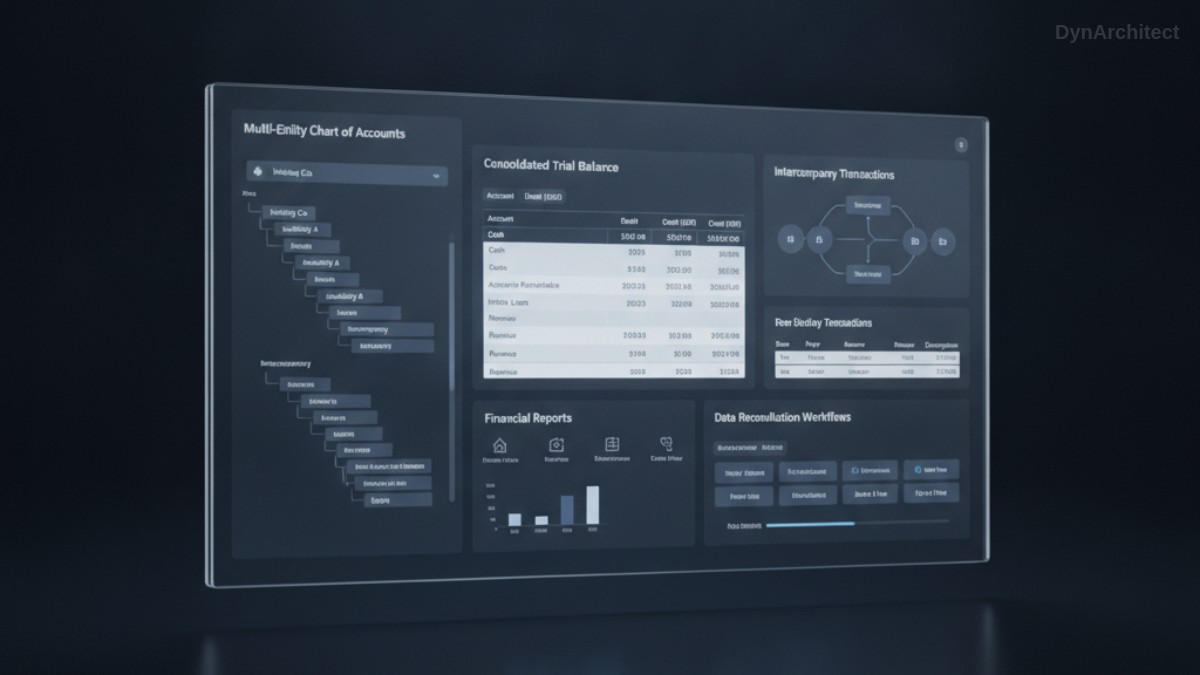
Business Central’s Multi-Entity Consolidation: Automating Intercompany Eliminations and Accelerating Month-End Close Cycles

For finance leaders managing consolidated operations across multiple subsidiaries or business units, month-end close becomes exponentially more complex. Intercompany transactions multiply, elimination entries compound, and the coordination overhead among regional

Building Resilient Business Central Integrations: API Best Practices, Retry Logic, and Handling Data Inconsistencies During Cloud Migration

Migrating Business Central to the cloud exposes a fundamental truth about integration architecture: the patterns that work for on-premises systems begin to fail the moment you introduce unreliable networks, asynchronous

Building Efficient Data Migrations into Business Central: ETL Patterns, RapidStart Configuration, and Real-Time Synchronization

Your legacy ERP implementation is seven years old. The system has grown brittle: custom fields have accumulated in unexplained places, vendor integrations rely on scheduled jobs that sometimes fail silently,
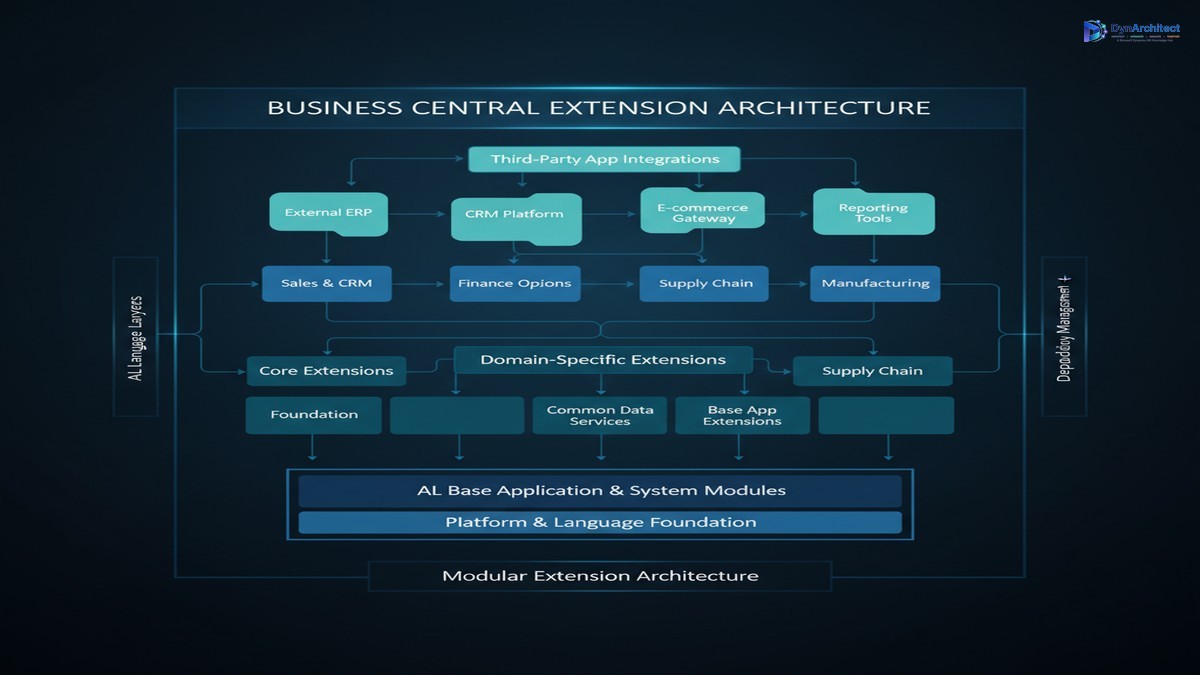
Business Central extension architecture and dependency management diagram with AL language layers and modular integration

Building Enterprise-Grade Business Central Extensions: AL Language Best Practices, Dependency Management, and Performance Optimization

The temptation to underestimate Business Central extension complexity is real, especially for teams migrating from legacy systems like Dynamics NAV or Dynamics GP. You get the cloud, you get the
Business Central multi-currency operations interface

Multi-Currency Operations and Exchange Rate Management in Business Central: Navigating Global Transactions with Confidence

Multi-Currency Operations and Exchange Rate Management in Business Central: Navigating Global Transactions with Confidence Organizations operating across multiple geographies face a persistent challenge: managing transactions in foreign currencies while maintaining
Multi-company consolidation architecture in Business Central

Multi-Company Consolidation and Intercompany Eliminations in Business Central: Building Predictable Financial Reporting for Multi-Entity Organizations

Most finance leaders in multi-entity organizations face the same uncomfortable question every quarter: when you’ve pushed the consolidation close button, how confident are you that the consolidated revenue number sitting

Automated 1099 Compliance and Vendor Management in Business Central: Eliminating Manual Year-End Reconciliation

Your accounts payable team is three weeks away from month-end close, and someone just discovered that twenty vendor records lack 1099 classification codes. Finding that error now means scrambling to
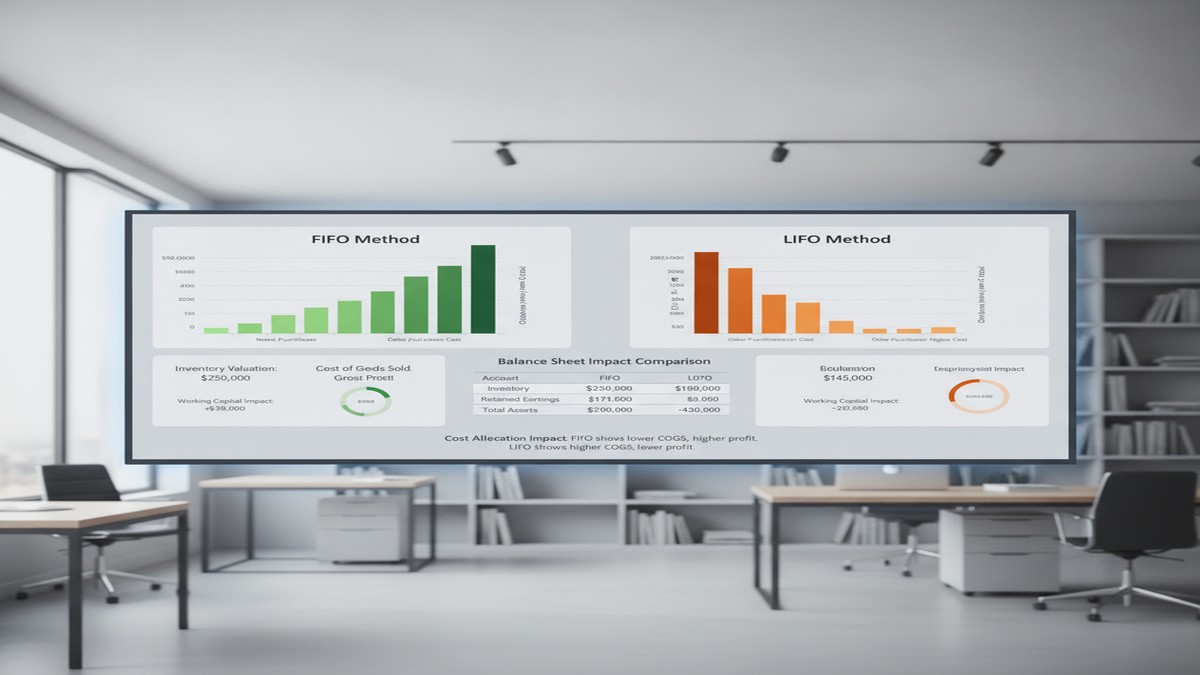
Business Central inventory costing methods FIFO vs LIFO comparison

Business Central Inventory Valuation Methods: Why FIFO, LIFO, and Weighted Average Choices Reshape Working Capital and Tax Liability

When most finance teams implement Business Central, inventory costing defaults to FIFO. It’s the system default, it feels familiar, and no one on the implementation team flags it as a
Developer workspace with multiple monitors showing AL code and API documentation

Building Custom APIs in Business Central: A Developer’s Guide to Extending Integration Capabilities

# Building Custom APIs in Business Central: A Developer’s Guide to Extending Integration Capabilities Business Central’s Power Automate connector and standard OData endpoints cover a wide range of integration needs.

Business Central Multi-Company Consolidation: The Feature Gap Finance Leaders Don’t See Coming

Every CFO implementing Business Central for a multi-entity organization asks the same question within weeks: “Where is the consolidation module?” The answer exposes a gap that often catches finance leadership